
Surroundings
Explore the South-Eastern Sicilian Territory
What to see nearby: The area surrounding Avola is a treasure trove of natural, archaeological, and architectural treasures of international importance. Located in the heart of the Val di Noto, this area of eastern Sicily offers unforgettable experiences for every type of visitor, from families to history buffs, from nature lovers to foodies.
The strategic location allows you to easily explore some of the island's most fascinating destinations, many of which are recognized as UNESCO World Heritage Sites.

Cavagrande del Cassibile Nature Reserve: The Lakes Among the Rocks
A Natural Canyon in Sicily
The Cavagrande del Cassibile Nature Reserve is one of the most spectacular natural areas in southeastern Sicily. This limestone canyon, carved by the Cassibile River over millennia, is home to a unique system of natural pools and crystal-clear waterfalls.
Distance from Avola: about 15 km (20 minutes by car)
What to Expect
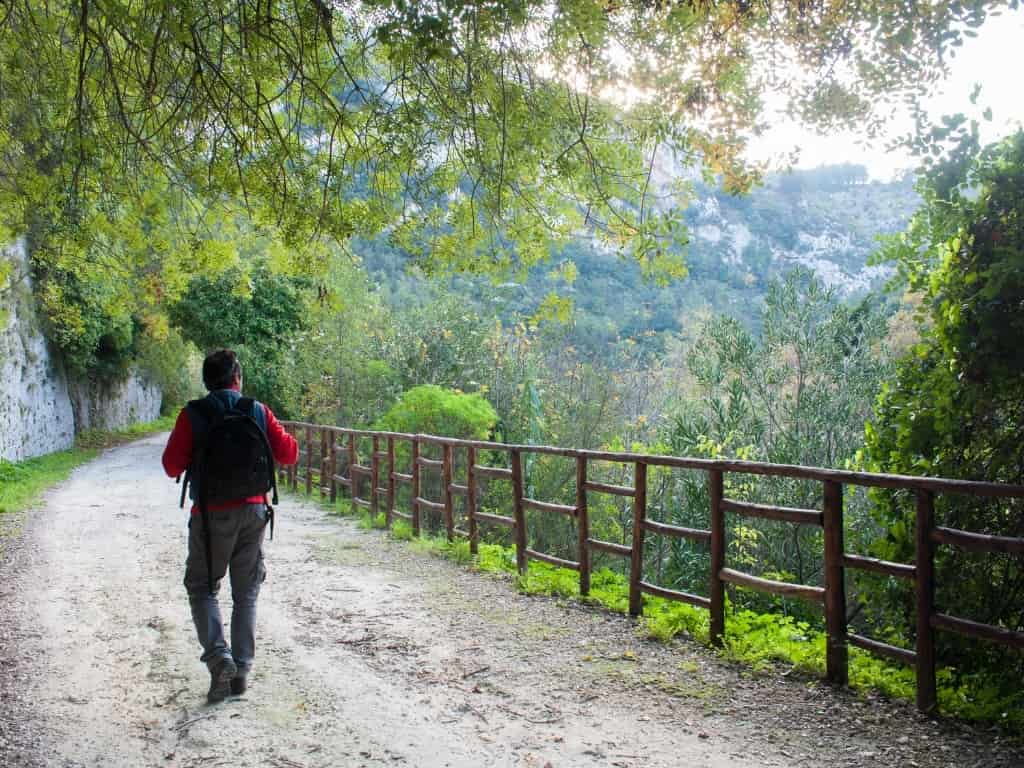
The trek to the famous lakes takes about 30-40 minutes downhill along a rocky path that winds through Mediterranean vegetation. The effort is amply rewarded by the breathtaking view of the turquoise pools immersed in the wilderness.
Practical advice: It's best to visit in spring or early summer. Bring hiking boots, plenty of water, and a swimsuit. Access may be limited during the hottest summer months for safety reasons.
Necropolis of Pantalica: A Journey into Sicilian Antiquity
UNESCO World Heritage Site since 2005
Pantalica is home to the largest rock-hewn necropolis in Europe, with over 5,000 tombs carved into the canyon's rock walls. This extraordinarily important archaeological site testifies to the presence of the Siculian civilization from the 13th to the 7th century BC.
Distance from Avola: about 45 km (50 minutes)
Nature and Archaeology
The site stands out not only for its historical value, but also for its exceptional biodiversity. The protected area is home to numerous species of birds of prey, including the peregrine falcon, and a rich endemic flora. Hiking trails allow visitors to admire both prehistoric tombs and the remains of the ancient Anaktoron (prince's palace).
Best time: Autumn and spring for ideal temperatures and comfortable excursions.

Noto: The Pearl of Sicilian Baroque
Capital of Baroque Architecture
Noto represents the absolute masterpiece of Sicilian Baroque, having risen from the ashes of the 1693 earthquake according to an ambitious urban planning project. The city was declared a UNESCO World Heritage Site in 2002, along with the other late Baroque cities of the Val di Noto.
Distance from Avola: 10 km (15 minutes)
What Not to Miss
- Cathedral of St. Nicholas: Impressive staircase and monumental facade
- Ducezio Palace: Town hall with splendid frescoed halls
- Via Nicolaci: Famous for the Infiorata held every May
- Church of San Carlo al Corso: With a panoramic terrace overlooking the historic center
- Royal Gate: Monumental entrance to the city
Gastronomy: Try the famous gelato at Caffè Sicilia on Corso Vittorio Emanuele and the traditional granita.
Marzamemi: The Fishermen's Village
Maritime Authenticity and Nightlife
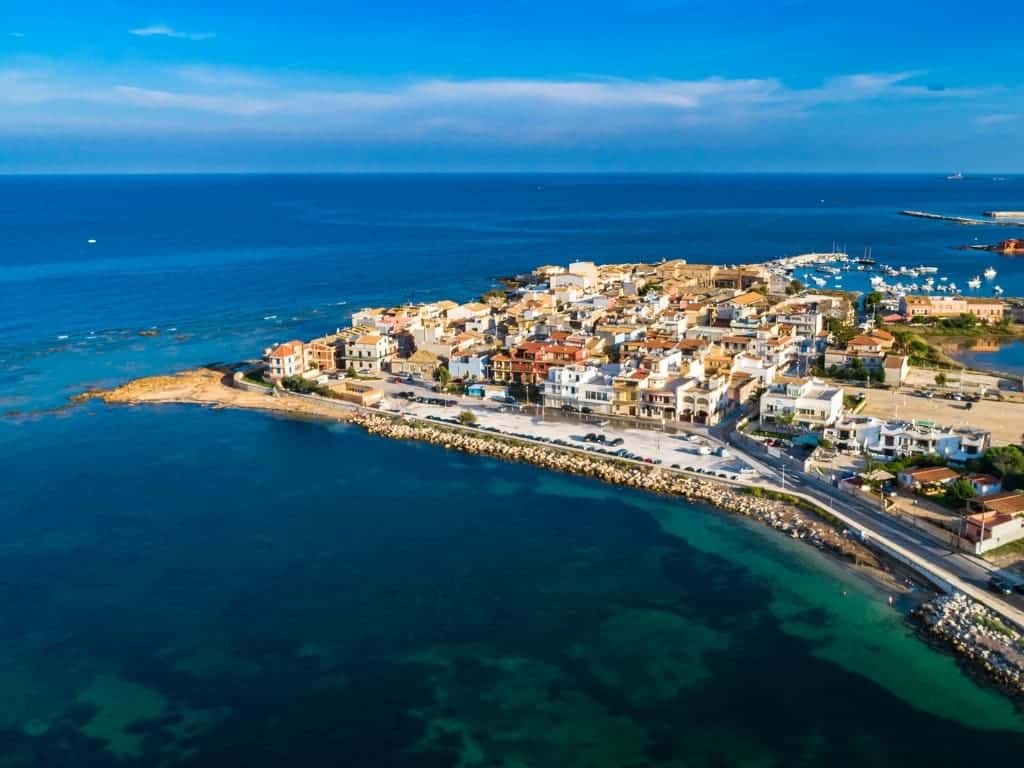
Marzamemi is a jewel of a seaside village that has managed to maintain its authentic identity while becoming one of the liveliest destinations in southeastern Sicily. The completely pedestrianized town center is centered around two picturesque harbors: Fossa and Balata.
Distance from Avola: 18 km (20 minutes)
Unique Atmosphere
During the day, you can admire the ancient fishermen's houses, the 18th-century Tonnara del Principe, and the Church of San Francesco di Paola. At sunset, the village transforms into a lively hub with seafood restaurants, wine bars, and live music that enlivens the small squares until late at night.
Events: During the summer, the Border Film Festival takes place, attracting enthusiasts from all over Sicily.
Pachino and the Territory of the PGI Tomato
The Homeland of Red Gold
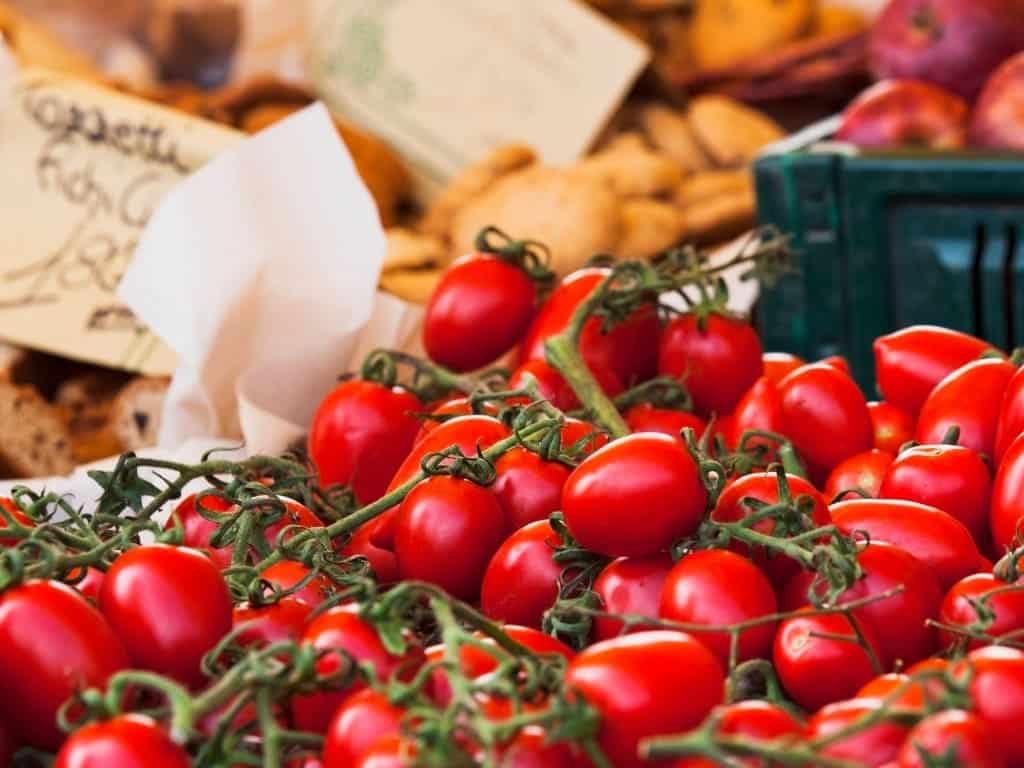
The Pachino area, of which Marzamemi is a hamlet, is world-famous for its PGI cherry tomatoes. The crops stretch as far as the eye can see under the southern sun, creating a breathtaking agricultural landscape.
Distance from Avola: 20 km (25 minutes)
Agricultural Tradition and Authentic Flavors
In addition to tomatoes, the area produces DOC wines, almonds, and lemons. You can visit farms offering tastings and guided tours of the fields. The area is also renowned for its production of preserves, passata, and dried Pachino tomatoes, according to ancient peasant recipes.
Vendicari Nature Reserve: A Birdwatcher's Paradise
Protected Oasis between Sea and Nature
The Vendicari Wildlife Reserve extends for approximately 1,500 hectares along the southeastern coast of Sicily, representing one of the best-preserved coastal ecosystems in the Mediterranean.
Distance from Avola: 15 km (20 minutes)
Biodiversity and Industrial Archaeology
The area is a key stopping point for migratory birds. Throughout the year, you can observe pink flamingos, herons, storks, and numerous duck species. The observation towers allow for optimal observation without disturbing the wildlife.
Sites of Interest:
- Vendicari Tuna Fish Farm: Perfectly preserved 18th-century industrial archaeology complex
- Swabian Tower: 15th century Aragonese fortification
- Beaches: Calamosche, San Lorenzo, and Marianelli, among the most beautiful in Sicily
- Big Swamp: Wetland where migratory birds stop
Useful information: Paid admission, closed on Mondays. Bring comfortable shoes and binoculars for birdwatching.


Ortigia: The Island in the Heart of Syracuse
Three Thousand Years of History on 40 Hectares
Ortygia, connected to the mainland by three bridges, encompasses the historic center of Syracuse in just one square kilometer. This concentration of history spans the ages from Magna Graecia to the Baroque, creating a unique architectural palimpsest.
Distance from Avola: 30 km (35 minutes)
Treasures Not to be Missed
- Syracuse Cathedral: Built incorporating columns from the Temple of Athena (5th century BC)
- Aretusa Fountain: Mythical freshwater body of water where papyrus grows
- Maniace Castle: 13th century Frederick II fortress
- Temple of Apollo: The oldest Doric temple in Sicily (6th century BC)
- Ortigia Market: Picturesque fish market and local products
Artistic masterpiece: The Church of Santa Lucia alla Badia houses Caravaggio's “Burial of Saint Lucy,” painted by the master during his escape in 1608.
Modica: City of Chocolate and Baroque
UNESCO and Aztec Traditions
Modica is one of eight late Baroque towns in the Val di Noto listed as a UNESCO World Heritage Site. The upper and lower towns climb the sides of a deep canyon, creating spectacular urban settings.
Distance from Avola: 50 km (55 minutes)
Modica PGI Chocolate
The Modica chocolate recipe, cold-processed according to the tradition imported by the Spanish from their Central American dominions, creates a unique, grainy texture. Historic pastry shops in the city center offer tastings with traditional flavors (vanilla, cinnamon, chili pepper) and modern variations.
Unmissable Architectures:
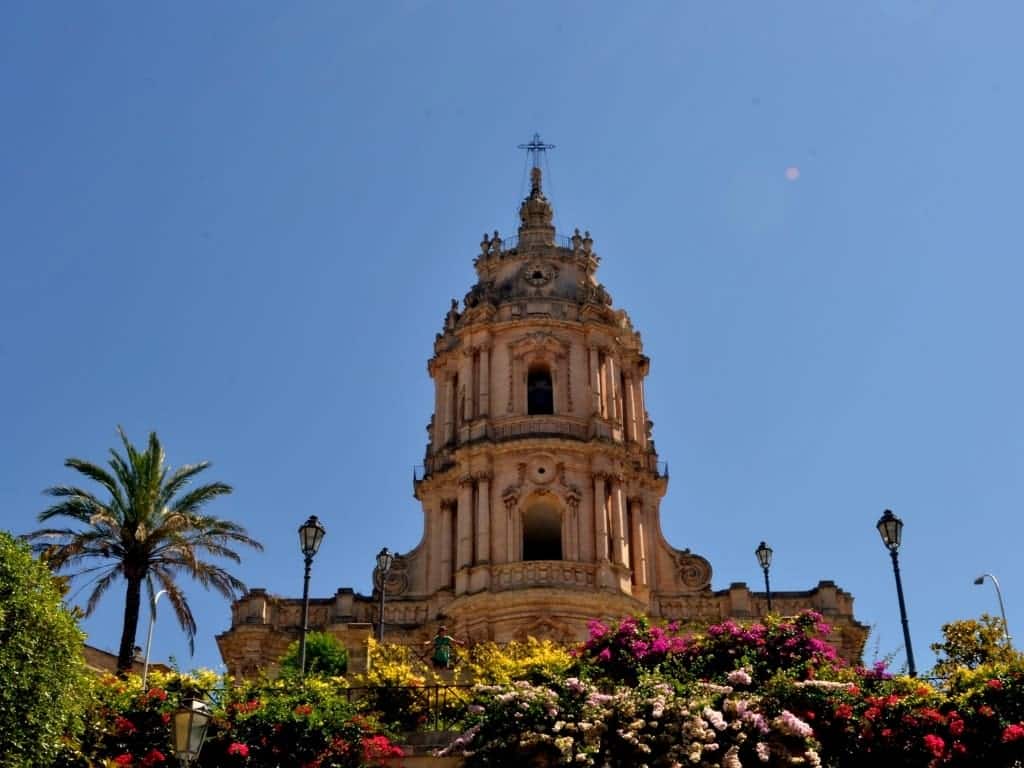
- Church of San Giorgio: Rosario Gagliardi's masterpiece with a majestic staircase
- Church of St. Peter: Facade decorated with statues of the Apostles
- Mercedarian Palace: It houses the Civic Museum

Ragusa Ibla: Inspector Montalbano Set
Fifty Churches in a Baroque Labyrinth
The historic center of Ragusa, known as Ibla, is a maze of alleys, stairways, and small squares home to over fifty religious buildings. This extraordinary architectural heritage has made Ragusa Ibla a symbol of Sicilian Baroque and an ideal setting for film productions.
Distance from Avola: 60 km (1 hour)
On the Trail of Montalbano
The television series "Inspector Montalbano" used Ragusa Ibla as its main location, identifying it with the fictional Vigata. Fans can visit filming locations: Piazza Duomo (the Police Commissioner's palace), the Circolo di Conversazione, and numerous other recognizable sights.
Must see: The Cathedral of San Giorgio dominates the square of the same name with its imposing neoclassical dome and spectacular staircase.
Catania: Between Etna and the Sea
The Milan of the South
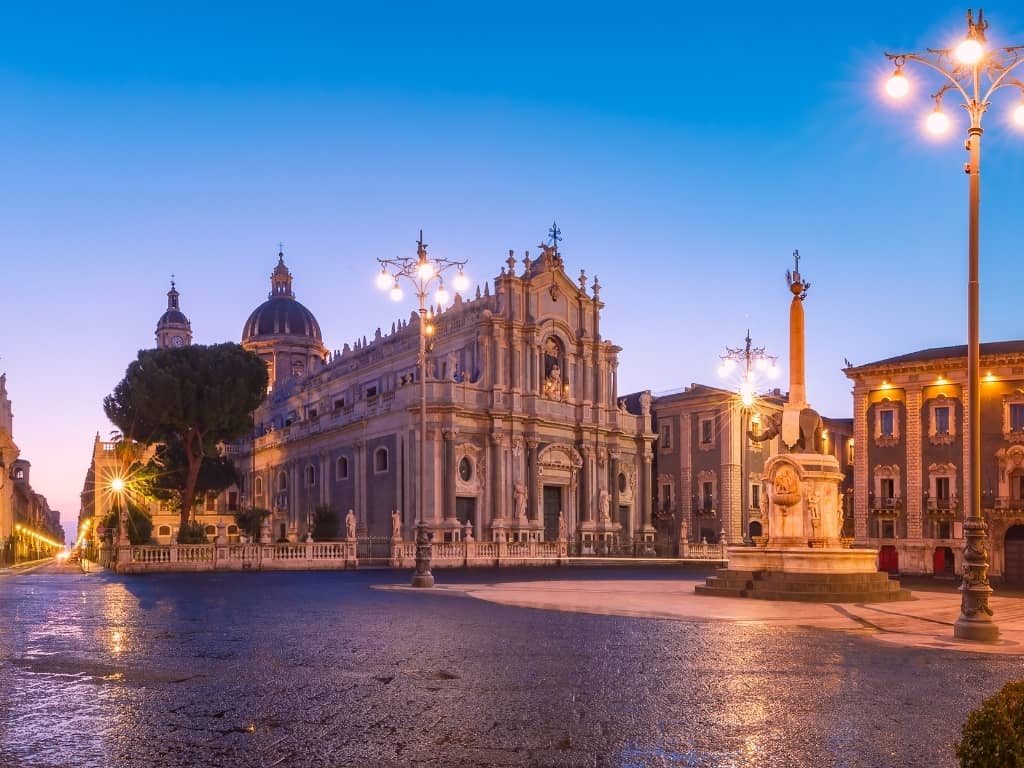
Catania, Sicily's second-largest city, offers a dynamic and cosmopolitan urban atmosphere. Founded by Chalcidian colonists in 729 BC, it has endured Greek, Roman, Arab, Norman, and Spanish rule, which shaped its multicultural identity.
Distance from Avola: 90 km (1 hour and 15 minutes)
Reborn from the Lava
The devastating earthquake of 1693 and numerous lava flows repeatedly destroyed and transformed Catania. The city, rebuilt in Baroque style, is characterized by the use of black lava stone, which creates striking contrasts with the light limestone.
Iconic Places:
- Cathedral Square: With the Elephant Fountain, symbol of the city
- Via Etnea: 3 km long main artery leading to the volcano
- Roman Theatre and Odeon: Archaeological complex in the heart of the city
- Benedictine Monastery: One of the largest in Europe
- The Fish Market: Historic Fish Market, an unmissable sensory experience
Etna: Europe's Highest Active Volcano
Mountain of Fire
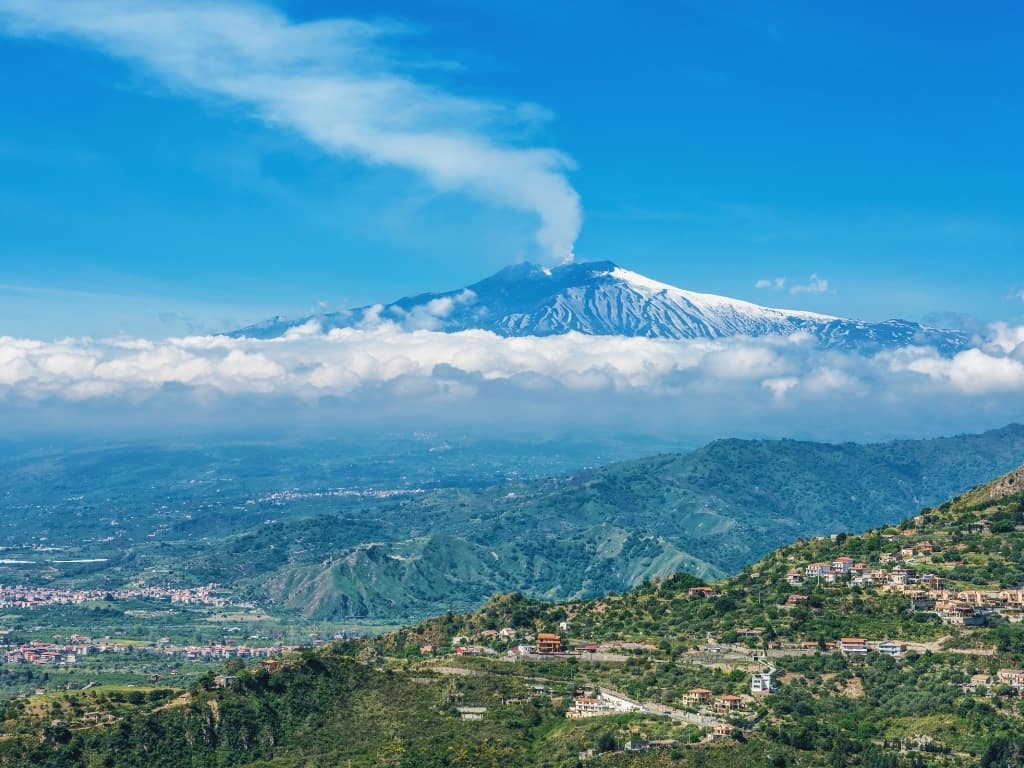
Mount Etna, at 3,357 meters above sea level (it varies depending on eruptions), dominates eastern Sicily and is visible from much of the island. This active volcano, a UNESCO World Heritage Site since 2013, erupts frequently, offering a primordial natural spectacle.
Distance from Avola: 100 km (1 hour and 30 minutes)
Mountain Excursions
Etna Park offers numerous hiking trails for all levels. From the Sapienza Refuge (1,900 m on the south side) depart the cable car and 4x4 off-road vehicles that allow you to reach the summit craters accompanied by authorized volcanological guides.
Unique experiences:
- Trekking on the lateral craters (Silvestri Craters, Monte Nero degli Zappini)
- Visit to the lava flow caves
- Etna wine tastings in high-altitude cellars
- Winter snowshoeing in the snow
Seasonality: Accessible year-round, it also hosts ski resorts in winter.
Taormina: The Terrace on the Sea
International Elite Destination
Taormina, perched 200 meters above sea level overlooking Mount Etna and the Ionian coast, has been a favorite destination for artists, writers, and aristocrats since the 19th-century Grand Tour. Goethe, Wilde, Truman Capote, and many others have celebrated its beauty.
Distance from Avola: 110 km (1 hour and 30 minutes)
Cultural and Landscape Heritage
The Ancient Theatre The ancient theatre of Taormina, built by the Greeks in the 3rd century BC and expanded by the Romans, is the second largest in Sicily. Its scenic location, with Mount Etna in the background and the sea at its feet, makes it one of the most photographed ancient theatres in the world. Today, it hosts important cultural events such as the Taormina Film Fest.
Other Unmissable Places:
- Corso Umberto: Elegant shopping and strolling street
- Isola Bella: Nature reserve connected to the mainland by a thin strip of sand
- Gardens of the Villa Comunale: Panoramic park with exotic vegetation
- Castelmola: Medieval village above Taormina with 360° views
Beaches: Mazzarò, Spisone, and the Baia delle Sirene offer crystal-clear waters that can be reached by cable car.
